This post is part of the T2 Diabetes Nutrition & Health Series. Here’s what we are going to cover from Nov 10th-28th:
- Information on type 2 diabetes
- Can a diabetic eat eggs?
- 5 tips to control type 2 diabetes
- How many carbs to eat
- A carb counting tutorial
- We’ll talk about numbers
- Testing for insulin resistance and pre-diabetes
- The best diet for pre-diabetes
- Food lists
- Easy tasty meals
- Inflammation and diabetes
- Sample diabetes meal plan
- And more
So as you can see there’s lots in store for this T2 Diabetes health series, so be sure to subscribe for updates by clicking on the button below.

So how many carbohydrates should a diabetic eat? Are you totally confused by that question?
I don’t blame you because it does vary depending on what and where you read something.
The American Diabetes Association suggests that: “A place to start is at about 45-75 grams of carbohydrate at a meal”. But most diabetics I know find 75 g per meal way too high to manage blood sugars well and herein lies the problem. Because what tends to happen is that most diabetics are eating far too many carbohydrates and are struggling to manage their blood sugars. And unfortuantely they are often left wondering why, are you like that?
Have you been eating 75 g of carbs a day and wondering why you can’t get things under control? Well this info will be very helpfull to you 
Now before moving on let me just say that we are talking about managing type 2 diabetes here.
So how many carbs should you eat?

Most people I know and work with find around 120 g of carbohydrate is a comfortable amount to work from. I also know some people who follow a very low carb diet of 50-60 g a day. Yes, that’s maximum per day!
This certainly doesn’t suit everyone so 120 g seems to be a comfortable place to start and then you can tweak your own individual intake from there.
It’s important to eat regular meals and spread your carbohydrate foods evenly throughout the day so that your blood sugar remains stable.
So let’s break it down per meal.
Carbs per meal
- Breakfast: 30 g carbs
- Lunch: 30 g carbs
- Dinner: 30 g crabs
- 2 x snacks: 15 g carbs each or 3 x snacks 10 g carbs each
This tends to work fairly well for the majority of people.
Having the regularity is KEY!
If you skip meals you will get blood sugar spikes.
If you load up on carbs at one meal and have little at others your blood sugar spikes.
Eat the regular amounts evenly spaced throughout the day to keep steady blood sugar levels, that’s the key.
Carbohydrate Quality Is Important!
More important than the amount is the quality of carbohydrates you eat.
This is very important whether you’re a diabetic or not. I talked about this in a recent webinar I ran. Here’s the replay if you’d like to watch it. I talk about why carbohydrates are so important and exactly where to put your focus.
We all have to manage blood sugar so carbohydrates is important to us all!
Eat lots of nonstarchy vegetables
Overall you want to cut down on bread, rice, pastas, cereals and potatoes, and increase your intake of nonstarchy vegetables include asparagus, green or wax beans, Brussels sprouts, broccoli, celery, onions, mushrooms, greens, lettuce, peppers, okra, tomatoes, cucumber, zucchini, and cabbage.
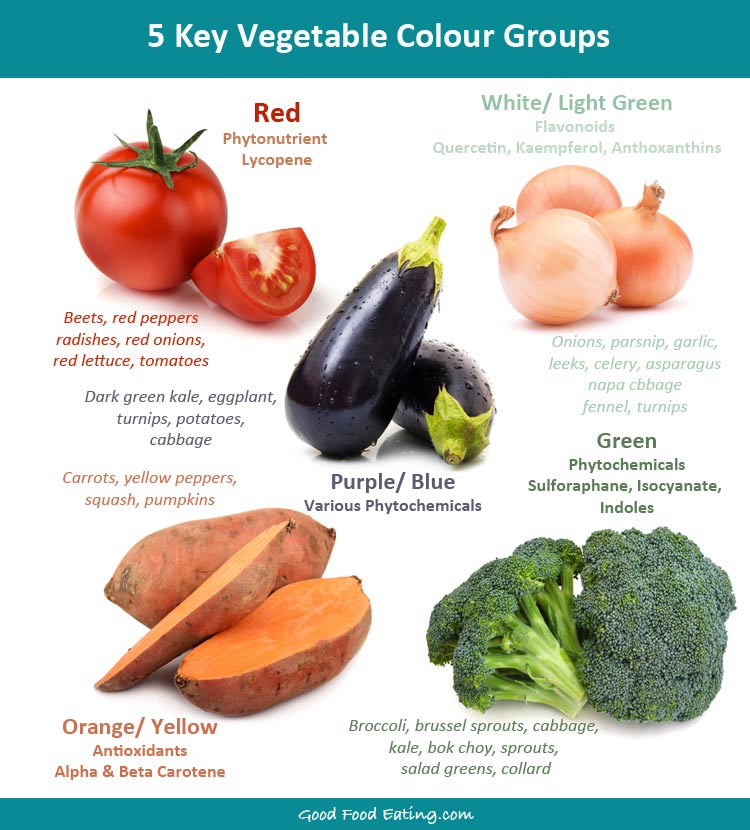
Go for a green leafy salad every day as our greens are loaded with nutrients we need. And eat from the rainbow because different colored vegetables contain beneficial phytonutrients and flavonoids that help improve our health.
Take a look at this chart.
The Run Down on Carbs
Aim to start at 120 g per day split into these portions:
- Breakfast: 30 g carbs
- Lunch: 30 g carbs
- Dinner: 30 g crabs
- 2 x snacks: 15 g carbs each or 3 x snacks 10 g carbs each
Then measure and record your blood sugar readings over time and tweak it from there.
Don’t know how to count carbs? I’ll be sharing a simple carb counting tutorial tomorrow so be sure to sign up the the Health Series below
Jedha
Nutritionist & Health Coach


Trying to figure carbs
Have you seen the Carb Counting tutorial Deborah? It might be helpful as well http://goodfoodeating.org/8430/diabetic-carb-counting/