
Inflammation is involved in type 2 diabetes as both a cause and a consequence, meaning that initially inflammation may trigger the development of diabetes, but also once you have diabetes, ongoing systemic inflammation contributes to your condition.
Increased Inflammation Precedes Type 2 Diabetes
Before type 2 diabetes develops there is increased inflammation occurring in the body. Inflammatory molecules in the body such as interleukin 6 and tumor necrosis factor alpha. Yes, they all have weird names but you just need to think of them all as pro-inflammatory molecules or cytokines.
It is also well known that fat cells increase inflammation as fat tissue is very metabolically active. Since many people have obesity alongside the development of diabetes, this can also be a major contributor and a reason to lose weight!
The consensus is that if you have higher levels of these inflammatory molecules, you have a higher risk of developing type 2 diabetes.
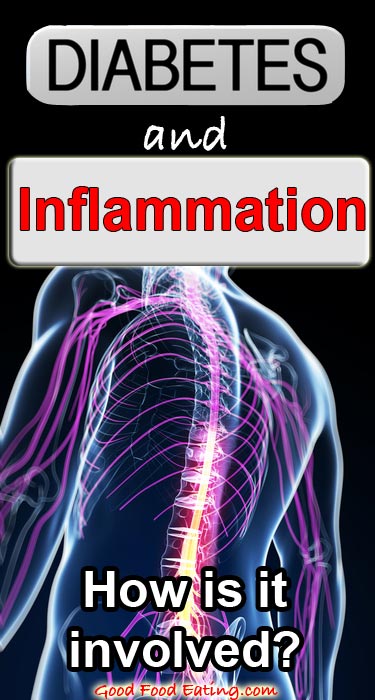
Inflammatory molecules act on different areas of the body
Various clusters of cytokines can act on different parts of the body and produce an effect. For example, inflammatory molecules act on the liver and promote dyslipidemia with increased VLDL and decreased HDL.
Inflammatory molecules also act on the muscles and liver, promoting insulin resistance.
Inflammation is a response of the immune system
Essentially an inflammatory response is a reaction of the immune system. In every instance of increased inflammation, immune cells called macrophages are the first cells to respond to the body’s needs. Macrophage cells produce pro-inflammatory molecules. This is a natural response because inflammatory cytokines act as communicators in the immune system as well.
Many things can provoke an immune response, basically anything that is wrong or not natural in the body. And it’s always a balancing act with the body’s immune response trying to maintain a state of balance.
Immune cells invade the pancreas when inflamed
The macrophage immune cells have been shown to invade pancreatic tissue.
When the macrophages invade the pancreas, they then produce more inflammatory molecules, and this could potentially help destroy the pancreatic beta cells.
Inflammation can increase the risk of complications
Once you have diabetes, you are in a state of chronic inflammation.
As you may already know there is a much greater risk of vascular complications.
Pro-inflammatory molecules damage tissues in the vascular system, in fat tissue, in the muscles and liver, and as we already pointed out, in the pancreas.
It seems that high blood sugar promotes inflammation that can damage the blood vessels and promote increased risk of vascular complications.
The increased inflammation also promotes higher blood pressure, increased dyslipidemia, and decreased physical function.
Dysfunction contributes to increased inflammation
If your body was working properly you wouldn’t have high blood sugar, high cholesterol, high blood pressure, or any of the other symptoms you may have.
But your body is not functioning properly in a diabetic state and all of these ‘symptoms’ collectively add to increasing inflammation by promoting ongoing involvement of the immune system and it’s reactions.
The exact role of inflammation is still not fully understood but it is well known that inflammatory molecules (cytokines) are higher in both pre and post diabetes and it is likely that this accelerates the development of the condition and any associated complications and symptoms.
Different mechanisms proposed to contribute to stress and inflammation in diabetes
Glucotoxity
Rising levels of blood glucose are toxic to the body. Even small changes in glucose levels years before the onset of type 2 diabetes can be toxic to pancreatic beta cells.
Lipotoxicity
With insulin resistance, long chain free fatty acid levels are increased and can impair pancreatic secretion and increased insulin resistance.
Oxidative stress
High glucose causes cellular stress that produces free radicals (reactive oxygen species) in the body. Pancreatic beta cells are particularly vulnerable to oxidative stress and increased oxidative stress is also central to the development of insulin resistance.
Endoplasmic reticulum stress
The beta cells have a component called the endoplasmic reticulum. Insulin resistance promotes more insulin production and this increases the amount of proteins traveling through the endoplasmic reticulum, causing increased stress on those cells and subsequent reactions.
All of these stressors can be caused by over nutrition!
What causes inflammation?
A variety of things cause inflammation including:
- Dietary triggers
- Stress
- Poor sleep
- Digestive issues
- Environmental toxins
As pointed out above, over nutrition is a MAJOR contributor. Over nutrition means eating too much, eating too much of the wrong things like sugar and junk food.
Our diet and what we eat is a major contributor to stress and inflammation on the body!
You CAN Turn It All Around!
Reducing inflammation is the key to prevention and management of diabetes. If you focus only on reducing blood sugar alone, you may be unlikely to make any vast improvements. Or at least, you may struggle with making improvements that stick!
Eating an anti-inflammatory diet, addressing digestive issues, reducing some stress and making sure to get good quality sleep are just a few things you need to start doing to help reduce the symptoms of type 2 diabetes and improve your condition.
Need some help to decrease inflammation?
 FREE DOWNLOAD
Get Started Reducing Inflammation & Improving Blood Sugar with This List?
Includes Snack Ideas and Food Tips!
References
http://diabetes.diabetesjournals.org/content/52/3/812.long
http://www.medicalnewstoday.com/articles/270817.php
http://www.diabetesselfmanagement.com/Blog/David-Spero/put-out-the-fire-of-diabetes-inflammation/
http://www.ncbi.nlm.nih.gov/pubmed/18673007
http://www.ncbi.nlm.nih.gov/pmc/articles/PMC3917922/
http://www.ncbi.nlm.nih.gov/pmc/articles/PMC3917922/
http://www.nature.com/nri/journal/v11/n2/full/nri2925.html
http://chriskresser.com/how-inflammation-makes-you-fat-and-diabetic-and-vice-versa



Leave a Reply