
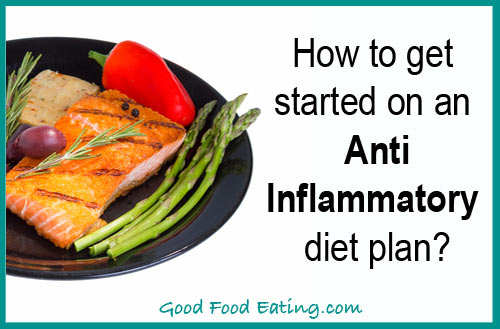
How to get started on an anti-inflammatory diet plan is a question I often get asked and the first thing I’d like to say about that is JUST GET STARTED!
You don’t have to know everything in order to get started, so really the best course of action to start reducing inflammation is to JUST GET STARTED NOW!
Of course I am going to give you some tips on where to start as well 
But I really wanted to emphasise that as you learn, just start putting new things in place every day because as time goes by everything accumulates and before you know it you’re in much better health.
So where do you start?
Step 1. Reduce Pro-Inflammatory Foods
I wrote an article recently about the top 5 pro-inflammatory foods, you can read that over here for the full details, including some food lists.
In a nutshell, you want to start by reducing sugar, refined and processed carbohydrates (that’s all the white stuff), common vegetable oils (read that article for a short list), trans fats, and artificial sweeteners, preservatives, and additives.
Step 2. Reduce Sugar
Sugar is one of the most addictive foods and it also happens to be highly inflammatory, so I’m going to emphasise that you need to cut back on the sugar to reduce your inflammation. So you’ll probably need these tips to help you overcome the sugar cravings.
Step 3. Increase the Veggies
EAT MORE VEGETABLES!
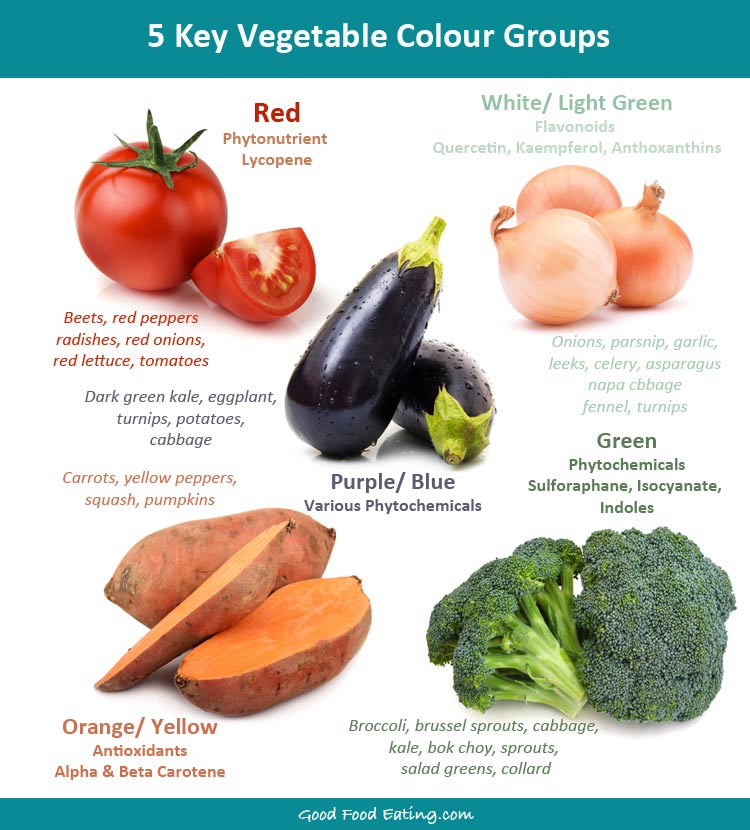
See how I’ve put that in capital letters and in bold type because it really is that important. Vegetables provide a range of valuable components that help reduce inflammation. Eating more vegetables also happens to be one of the easiest things you can do.
Well…in a way it is because I know lots of people don’t eat the amount of vegetables they need every day so it can be a challenge. But it is one of the BEST ways to help reduce inflammation fast!
Try any of the Good Food Eating Recipes, they are always loaded with veggies, and you’ll be surprised that they are simple to make and tasty too
Step 4. Fresh Is Best
So if eating vegetables can help so much then a great rule to follow is FRESH IS BEST!
Add a leafy green salad to your daily routine because green leafy veggies like kale, beet greens, cabbage, and lettuce contain lots of magnesium, which is a very powerful anti-inflammatory nutrient.
Here are a few great green leafy salads and dishes to try.
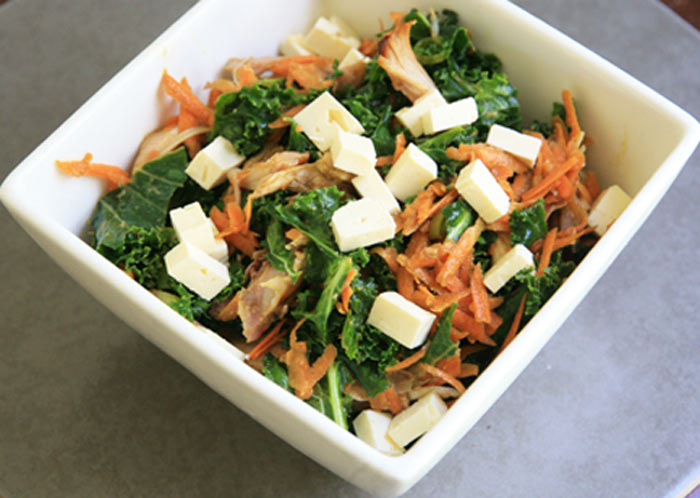
- Raw kale salad
- Sauteed beet greens
- Avocado cucumber salad
- Wombok salad – wombok is also known as napa cabbage and Chinese cabbage
Step 5. Slap on some Healthy Fat
Add some virgin olive oil to your meals.
Virgin olive oil contains one specific phenolic compound called oleocanthal that was discovered by researchers to have powerful anti-inflammatory benefits. And studies are showing it helps prevent cancer, reduce joint degeneration, improve brain health and much more.
I wrote all about virgin olive oil over here and included some recipes and ideas on how to include more olive oil in your every day routine.
Of course there are loads more things you can do but if you get started with these 5 steps you’ll be well on your way to a healthier, less inflammed you. And that’s got to be a great thing, right?!
So pick one thing and go get started.
What will that be? Let me know by leaving a comment below, I’d love to hear about it.

Jedha
Nutritionist (MNutr.BSSc.)
Anti-Inflammatory Diet Expert
Be sure to grab a copy of my Anti-Inflammatory Food Index.
It’s 100% FREE and has helped thousands of people reduce inflammation, pain, and weight gain!



I want to thank you so much for all the information you’ve been giving me. I am 67 years old and trying to change my eating habits at my age is difficult but little by little I’m changing things. I’ve learned from your emails that almost everything I’ve eaten all my life is wrong and I thought I was eating healthy.
What started this change I’ve been going to Physical Therapy for a hip problem and everywhere my therapist touches me it is painful. He felt that I have lots of inflamation that is causing this so he gave me some information on what to eat for inflamation but I wanted to learn more so I found you. I’m glad I did because you explain it in the right way…easy!
I know I’m a ‘carb addict’ so that is my hardest to change AND I crave sweets. So what is one thing I can do to help with these cravings? I never use regular sugar but I used Nutra Sweet for years and now I’m using Truvia only on my cereals. Is that so bad? I hate using regular sugar for the calories. I can’t eat cereal without some sweetness to it. I’ve use to use two packages but I only use one now. Should I not use it at all?
I got my husband to eat like me since he does most of the cooking and that helps. Most of the time we have protein and 2 veg for dinner. So we have very little carbs. I’m a meat and potato gal but I know potatoes can only be eaten occasionally and most of the time we eat Sweet potato now.
Again…keep up the good work for those of us who don’t know what we are doing. I do feel ‘some’ of the pain isn’t as bad but still have a long way to go.
Thanks for all the information…
Sarah DeBold
Hey Sarah, so glad you’re finding the info helpful and it sounds like you’re slowly getting on track.
Here is some info on helping sugar/carb cravings – there’s a free downloable sheet down the page – http://goodfoodeating.org/5826/sugar-cravings/
Truvia isn’t too bad, but it’s best to try not to overdo sugar substitutes. One packet isn’t going to bust the bank. But you can also just get used to eating different foods instead, it’s better for you. For example, swapping cereal for a veggie filled omelet.
Just keep taking small steps forward every day, things will only keep getting better an better. Supplements help a lot too. You might find this helpful http://goodfoodeating.org/11041/supplements-for-inflammation/
Take care