
This podcast is in honour of World Diabetes Day and covers some important information about type 2 diabetes in particular.
Here’s what we cover:
- The difference between type 1 and type 2 diabetes
- Why we all need to know more about type 2 diabetes
- What pre-diabetes is
- How we can get tested for pre-diabetes and type 2 diabetes
- How we can prevent or improve it
- And much more
Extra Resources
 FREE DOWNLOAD
Get started in controlling your type 2 diabetes the right way by downloading this List?
Includes Snack Ideas and Food Tips!
TRANSCRIPT
Hello, it’s Jedha here and welcome back to the GFE podcast, this is episode #65.
The date of recording this podcast is the 14th November 2014, and today is World Diabetes Day so I thought it was appropriate that we cover the topic of diabetes today, which is something so very important and I don’t believe we’ve talked about it before here on the GFE podcast.
But this is not just a podcast for people who have diabetes, this is a podcast for everyone because diabetes is something we all need to know more about and you’ll be doing yourself a favour if you listen to this podcast and become more informed about it.
I think diabetes is something that most of us have heard of by now and the reason for this is that we have a rapidly increasing rate of people getting it. In fact the numbers are quite disturbing. Here in Australia it’s estimated that one person every 5 minutes is being diagnosed with type 2 diabetes and you can assume that this rate is similar in the US, UK and other western countries.
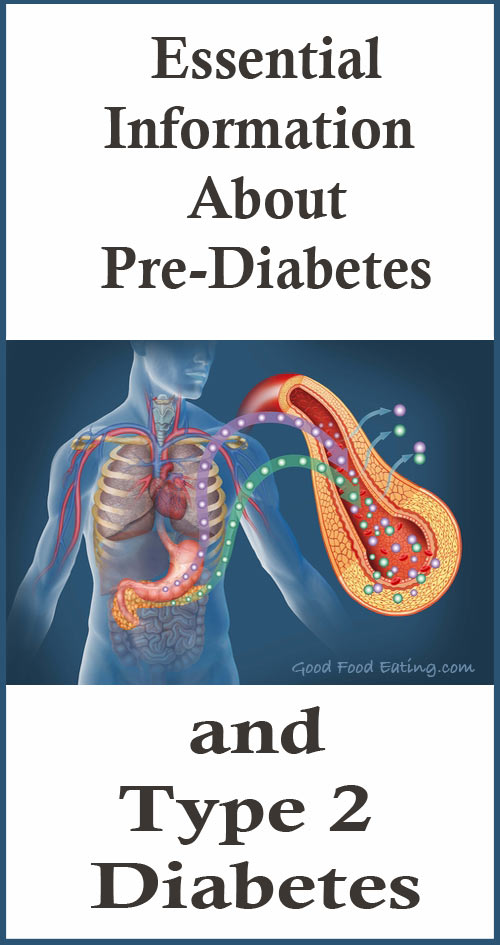 In Australia we have around 1 million people already diagnosed, with an estimated 2 million people having pre-diabetes, and a large percentage of the population undiagnosed. It’s also estimated that in the next 15 years that number is going to more than triple, so that’s a pretty disturbing thing when we start crunching some numbers.
I also believe that we don’t quite understand or comprehend the high risk involved in getting type 2 diabetes. So in today’s podcast I’d like to share some information about type 2 diabetes, along with how we can prevent it, just how much we can do if we have something like insulin resistance and pre-diabetes, and some other great stuff.
So let’s start at the beginning by explain what the difference is between the different types of diabetes. Type 1 diabetes has always been called type 1 but there used to be other names for type 2 diabetes. For a long time it was called adult onset diabetes, but that had to be changed because type 2 diabetes is no longer contained to the adult population. So we won’t get you confused, the only thing you need to know now is that there are just two types, type 1 and type 2 diabetes.
Type 1 diabetes is a genetic condition that can get triggered by various environmental factors and this is an important difference between the two. What happens is an autoimmune response occurs that leads to the destruction of pancreatic islets, that’s the cells in the pancreas, and with type 1 diabetes there is a complete failure of insulin production. The onset of type 1 diabetes often occurs for people during childhood but it can occur later in life too, though it’s not as common. For all type 1 diabetes sufferers the destruction of the cells in the pancreas results in the need for insulin replacement therapy because the pancreas simply can’t produce any insulin.
Diet and lifestyle are still very important to a person with type 1 diabetes but they can’t cure themselves of the disease because it is an autoimmune condition.
Type 2 diabetes can have a strong genetic predisposition too, so if there is a history in your family, you could be more prone to getting it too. However for most people, type 2 diabetes is predominantly a result of unhealthy diet, weight gain, physical inactivity, and environment. Environment could be chemicals, toxicities and stress because what is being discovered is there is a huge inflammatory impact involved in the development of type 2 diabetes.
For many years type 2 diabetes was a condition that was typically seen in people over 40 years of age. Now it’s increasing in younger age groups, adolescents and children, which is quite sad fact. As I said before type 2 diabetes is growing in epidemic proportions, we already pointed out Australian figures and 1 in 2 Americans are predicted to have type 2 diabetes by 2020. And currently 1.7 billion people worldwide are affected and this number is growing rapidly. That’s why it is something we ALL need to be aware of because there is a lot we can do to prevent it and we’ll go into that very soon.
Once you’ve been diagnosed with type 2 diabetes, the processes that have occurred in your body have led to the progressive failure of insulin action. You see, in the beginning we have a pancreas that pumps out insulin in just the right amounts. But things that drive up blood sugar, such as unhealthy diet, lack of activity, and stress, make the pancreas work harder and at first you start over producing insulin and at the same time most likely have insulin resistance. Eventually the pancreas can’t keep up with hormone production and so that progressive failure begins to occur.
The interesting thing is that the onset of type 2 diabetes can occur 5-10 years before diagnosis with the presence of insulin resistance. Once insulin levels keep rising, insulin receptor cells in the liver and muscles become less sensitive to the call out of insulin. This is further impacted by our sedentary lifestyles and lack of activity. The important thing to know is that insulin resistance is the number one precursor for type 2 diabetes but with a 5-10 year window there is clearly A LOT we can do to help ourselves.
Insulin resistance is also known as pre-diabetes. So there is a window of 5-10 years to catch and reverse the onset of type 2 diabetes and that’s a really great thing, which is why I think it’s so important that we understand that.
And even if you have type 2 diabetes, you can still turn it around with diet and lifestyle changes. You definitely shouldn’t give up. Some people with type 2 do end up having to use inulin replacement therapy but with good management and a good diet and lifestyle plan, you can likely avoid this and you can also depend on it less.
I love Dr Mark Hyman’s term ‘Diabesity’ that covers the whole spectrum of conditions involved in this including metabolic syndrome, insulin resistance, type 2 diabetes, pre-diabetes, adult onset diabetes and whatever else you want to call it. Essentially all of these conditions operate along a continuum of blood sugar balance and issues with imbalance that eventually lead to full blown diabetes.
Another REALLY important thing I want to emphasise is that diabetes is not something to be taken lightly because it comes with many health implications and possible complications. These include problems with the cardiovascular system, eyes, kidneys, and feet. In fact, 13% of people with diabetes suffer nerve damage in the lower limbs, 15% have diabetes retinopathy – that’s problems with the eyes, there is a 4 times greater risk of heart attack and stroke, a 3 times greater risk of kidney failure, a 15 times greater risk of limb amputations, and diabetes also causes blindness.
As you can see, it’s not a pretty picture and considering that type 2 diabetes is preventable and treatable then I’d say it’s better to do something about it, wouldn’t you agree?
Another thing I’d like to emphasise while we’re on the topic of complications is something for anyone listening that has type 2 diabetes. I know of lots of people with type 2 diabetes who don’t do much about changing their diet and lifestyle but just simply take the medications and that’s it.
But this is not really good enough. I think one of the things your GP might not emphasise is how important making these changes is to prevent these complications from occurring. You see, once you are diagnosed you already have so much inflammation and changes to your vascular system occurring that you are at as much risk for heart attack as someone who has already had a heart attack. I know I’ve talked to clients about this and they have had no idea, that’s why I feel it’s an important point to emphasise. In order to decrease the inflammation and improve the vascular function it’s not enough just to take the medication. You really have to get proactive with changing your diet and doing more exercise to help everything improve.
This is another reason why we want to catch it earlier if we can, because a lot of the damage that is occurring to the body is occurring during the pre-diabetic stage.
So how do you know if you have pre-diabetes?
Well, this is the interesting thing is that there aren’t any significantly noticeable symptoms, which is why it can go unnoticed for so many years.
If you are obese then you most likely do have pre-diabetes, if you are significantly overweight you might have.
But there are also some tests you can do to find out. I always find it interesting because doctors aren’t testing for insulin resistance or hyperinsulinemia. They test our blood glucose but often don’t test insulin, which seems strange to me because it’s not uncommon to see someone with normal fasting blood glucose levels and yet have insulin resistance. So if this could be identified earlier, many more people could be prevented from getting type 2 diabetes. And if we were informed that we have insulin resistance, then we might be more motivated and proactive in eating better and moving more.
So what you need to do is ask your doctor to measure both fasting glucose and fasting insulin. You will most likely have to pay for the insulin test because it’s not a commonly ordered one. Unless you ask your doctor won’t do it and if you do ask they may even tell you not to. It’s like testing HbA1c, another great marker for blood glucose, they won’t test it unless you already have type 2 diabetes, which just seems crazy.
Once you get both fasting glucose and fasting insulin you calculate a ratio.
Insulin resistance is calculated as fasting blood sugar level multiplied by 18 divided by fasting insulin.
The reference range for fasting blood sugar levels is 3.5-5.4mmol/L, fasting insulin should be under 20mU/L and once you calculate the ratio you will fall into one of 3 categories for insulin resistance. Normal if it’s above 10, insulin resistance if the number is under 4.5, and borderline if you lie between 4.6-10.
Common tests your doctor may do are the fasting blood glucose and the oral glucose tolerance test. These are both different tests they do to determine blood glucose and if you have diabetes. Another good test that is not commonly ordered is the HbA1c, haemoglobin A1c. This is much better for measuring blood glucose because it isn’t affected by what you’ve eaten the day before. What this test does is measure what percentage of your haemoglobin is coated on sugar. Your haemoglobin is a protein in the red blood cells that carries oxygen, so this test is able to give us the average blood sugar level for the past 2-3 months, rather than just right now, which again I consider to be much more effective.
I think at the end of the day it’s probably best to use a few different tests to get an overall picture, and of course you can turn to your daily routine and the state of your health as a possible reflection of what could be possible.
So now we’ve talked about the difference between type 1 and type 2 diabetes and we’ve also covered why we should all know more about it because of the horrible complications. We also had a look at some tests for both pre-diabetes and diabetes, so now let’s cover what we can do about it.
Whether you have pre-diabetes or type 2 diabetes the answer to making it better is not rocket science and it’s really a lot of the stuff we talk about on the GFE podcast all the time.
In general it includes 3 basic things, better eating and nutrition, more exercise, and less stress. So we’re talking about lifestyle changes here and all of the research shows that lifestyle changes can prevent type 2 diabetes from developing if you have pre-diabetes. The research also shows that lifestyle changes have a far bigger impact on improving type 2 diabetes than taking medication.
So what kind of diet should someone with pre-diabetes or type 2 diabetes follow.
Well, discussing nutrition recommendations is an interesting topic because much of the information we get ‘taught’ because it is behind what current research has to say. If you look at the common dietary prescription the overall current recommendations for people with diabetes are to follow the Governments dietary guidelines for the general population. In Australia that’s the healthy eating guide, in the US it’s the Dietary guidelines for Americans. They are both the same since Australia tends to take their facts from what the US sets as a model.
And one of the common diabetes diet prescriptions is to tell people to eat more carbohydrates and less protein and fat. Have you ever been told that before?
I’ve had multiple clients that have, which is why I know it’s pretty common.
Most of the information you read about a diabetes diet says to eat 55-60% of your diet from carbs and reduce your protein and fats. Well I certainly wouldn’t recommend a high carbohydrate diet to someone with pre-diabetes or type 2 diabetes. But on the other hand low carb is not necessary for everyone either. Carbs are the main nutrient that causes issue with insulin and blood sugar so this is a food most of us need to put a bit more focus on anyway. We don’t eat enough vegetables, which are also a carbohydrate. We eat too much sugar, but most of all we eat too much processed junk.
So for absolutely everyone the key is to focus on food quality and start cleaning up your diet. If you’re diabetic then focusing on carbs is going to be a prominent thing, to find what level of consumption works best for managing your blood sugar levels. It can range for different people. Some people find a low carb diet is the only thing that works, while most people find a good range between 100-130g a day is good, sometimes up to 150g for some people. Now if we were following the common dietary advice, then we’d be eating at least twice as many carbs, which really isn’t going to help a diabetic.
For pre-diabetes, carbs is still an issue, it is for us all but for insulin resistance you want to put more focus on food quality and getting much more activity, because the exercise helps to improve insulin sensitivity.
Like I said, these things aren’t rocket science.
Eat real food, get off all the junk, do regular activity, and stress less.
That’s pretty general advice but the thing is, it’s good advice to follow.
Of course there are more things you can do specifically but we don’t have time to go into those in detail right now.
I’ll leave a few extra resources in the show notes at GFE.com/65 and in fact all this week I’ve been featuring some great articles on the GFE website about pre-diabetes and type 2 diabetes, so if it’s a concern for you, please head on over and to the GFE website for loads of great and helpful tips and info.
I hope you found this podcast enlightening. Please don’t take type 2 diabetes lightly, it is a serious issue, it is preventable, so if it could be a concern for you then take some action and do something about it.
Take care for now.
FREE DOWNLOAD
Like a Take Home Copy Of This List?
Includes Snack Ideas and Food Tips!

Connect with us!